
At a Glance
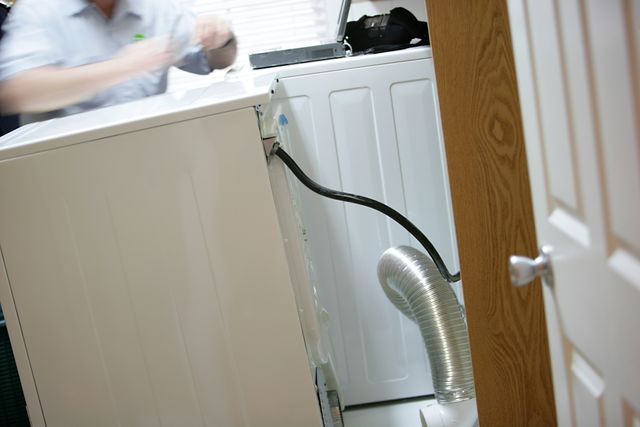
Upgrading laundry appliances requires balancing long-term energy efficiency with specific household utility requirements. While standard electric models are common, opting for a gas dryer delivers rapid heating performance and significantly lower operating costs over the life of the machine. However, integrating a gas-powered appliance involves critical structural considerations, including dedicated fuel lines, strict outdoor exhaust codes, and precise installation standards to ensure safe operation. Understanding these foundational setup details and ongoing expenses is essential for any homeowner evaluating a laundry room upgrade.
Planning a safe and cost-effective transition is straightforward when supported by experienced appliance professionals. At Gerhard's Appliances, our team helps homeowners navigate every technical specification to ensure seamless, code-compliant equipment integration. This comprehensive guide breaks down the essential utility hookups, venting safety standards, upfront installation costs versus long-term savings, and professional installation requirements to help you choose the right laundry solution for your home.
Upgrade Your Laundry Room
Explore our wide selection of high-efficiency dryers and find the perfect match for your home.
Explore DryersKey Takeaways
- Standard Electrical Power: Gas units run on a standard 120-volt household outlet rather than a dedicated 240-volt circuit.
- Mandatory Outdoor Exhaust: Strict building codes require rigid metal ducting routed directly outside to exhaust combustion byproducts.
- Lower Operating Expenses: Natural gas heats faster and costs significantly less per load compared to standard electric heating elements.
- Professional Hookup Value: Certified installation protects your home from gas leaks and verifies compliance with municipal building codes.
Understanding Gas Dryer Installation Requirements
Setting up a gas dryer requires specific utility connections already in place before delivery day. The appliance relies on two separate energy sources to operate: natural gas or liquid propane for the heating burner, and electricity to turn the drum, power the control panel, and run the interior lights.
Required Utility Connections
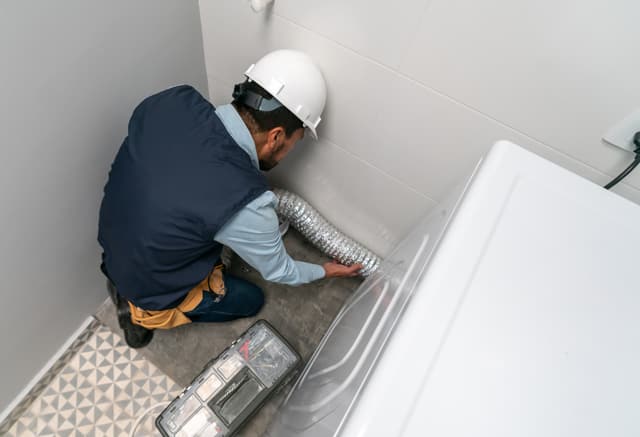
- Dedicated Gas Supply: A dedicated 1/2-inch black iron or corrugated stainless steel gas line equipped with an accessible shut-off valve within six feet of the unit.
- Standard Electrical Outlet: A grounded 120-volt, 15-amp three-prong electrical outlet located near the back of the appliance footprint.
- Liquid Propane Conversion: An optional manufacturer-approved LP conversion kit if your home runs on bottled propane rather than municipal natural gas.
Unlike electric dryers that demand a heavy-duty 240-volt outlet and a dual-pole circuit breaker, a gas dryer plugs right into an ordinary household outlet. Verifying that your shut-off valve turns smoothly and sits within reach makes future service appointments quick and stress-free.
Why Proper Venting is Critical for Gas Dryers
Venting a gas dryer is a matter of household safety. When natural gas burns to generate heat, it produces moisture vapor and combustion byproducts, including carbon monoxide. These exhaust gases must travel directly to the outdoors through an airtight, fire-rated exhaust system.
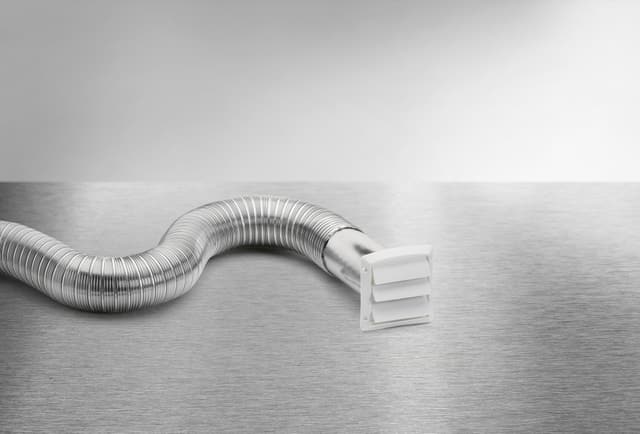
Building codes mandate smooth, 4-inch rigid metal ducting because it creates minimal friction and resists heat buildup. Flexible foil and vinyl accordion hoses are dangerous because their ribbed walls collect lint pockets, sag over time, and create severe fire hazards behind the machine.
The Pros and Cons of a Gas Dryer
Upgrading your laundry setup involves weighing the long-term energy savings against the upfront preparation required for gas plumbing. Reviewing the direct benefits and trade-offs helps you determine if a gas unit fits your budget and existing utility connections.
Pros
Faster Drying Times
Gas burners produce instant, high-output heat that dries thick fabrics much faster than electric coils.
Lower Monthly Energy Bills
Natural gas rates are generally lower than electricity rates, reducing your utility costs with every load.
Gentler on Clothing
Quicker cycle times reduce fabric tumbling friction, helping garments retain their shape and texture.
Standard Plug Compatibility
The unit uses a standard 120-volt electrical wall outlet without requiring an electrical panel upgrade.
Cons
Higher Initial Setup Expenses
Adding a new gas supply line or retrofitting outdoor ductwork increases starting costs.
Mandatory Outdoor Exhaust
The appliance cannot use indoor filtration kits and must vent through an exterior wall or roof cap.
Gas Dryer Installation and Operating Costs
Investing in a gas dryer involves balancing initial setup expenses with lower ongoing utility bills. If your laundry space already has an active gas valve and rigid metal ducting, hookup costs remain minimal. If a plumber needs to run a new gas line, installation generally ranges from $400 to $1,000 depending on the distance from your main manifold. Adding new exterior exhaust ducting starts around $200.
While the initial setup costs more than plugging in an electric alternative, the operational savings add up quickly. Running a gas-heated cycle costs roughly one-third to one-half the price of an electric cycle. For active households washing multiple loads every week, the reduced utility expenses offset the initial plumbing investment within three to five years of regular use.
Professional vs DIY Gas Dryer Installation
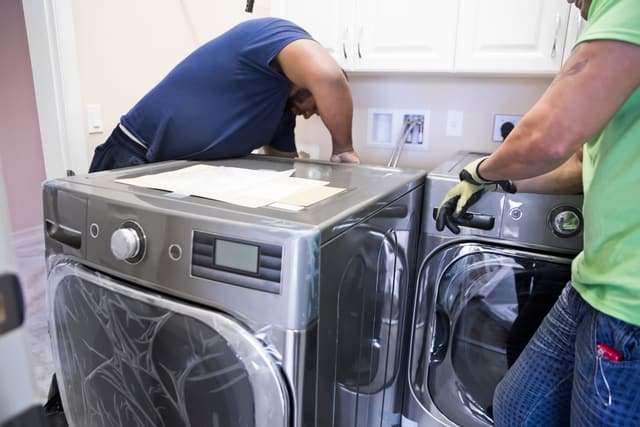
Connecting any appliance to a live fuel supply requires specialized tools and technical experience. Certified technicians use calibrated pressure gauges and commercial leak-detection solutions to verify every threaded pipe joint is completely sealed. They also verify that the exhaust ducting maintains the proper pitch and meets local municipal regulations.
Attempting a DIY gas hookup carries serious risks, including undetected gas leaks, carbon monoxide exposure, and fire hazards. Improper self-installation can also void the manufacturer warranty on your new machine. Hiring a certified professional protects your household, provides complete peace of mind, and keeps your appliance running efficiently for years to come.
Find Your Next Gas Dryer at Gerhard's Appliances
Selecting a gas dryer gives you fast drying cycles, gentle fabric care, and substantial energy savings over the life of the machine. Making sure your laundry room has proper rigid metal ducting and a dedicated gas supply allows the appliance to operate at peak efficiency. Shop at Gerhard's Appliances to discover the latest high-performance laundry models from top brands. Our experienced team provides personalized showroom guidance, professional installation, and dependable local service that big-box retailers cannot match.
Gas Dryer FAQs
Installing a new gas supply line typically costs between $400 and $1,000 depending on the distance from your main gas line. Complex installations that require running pipe through finished ceilings or masonry will sit at the higher end of that price range.
No, a gas dryer must always be vented directly to the outdoors through rigid metal ducting. Venting a gas appliance indoors releases dangerous carbon monoxide and excess moisture directly into your living space.
Residential building codes require a 4-inch diameter rigid metal exhaust pipe with a smooth interior wall. Thin vinyl or flexible foil hoses are prohibited because they trap flammable lint and restrict exhaust airflow.
Yes, natural gas is generally much less expensive than electricity per thermal unit, making a gas unit roughly 50 percent cheaper to operate per load. Active households that wash daily see substantial utility savings over the lifespan of the appliance.
No, gas dryers plug directly into a standard 120-volt grounded three-prong household outlet. The electricity is only needed to spin the drum, illuminate the interior, and power the electronic control board.
You should have your dryer exhaust duct professionally inspected and cleaned at least once every year. Homes with long duct runs or large families that do heavy daily laundry may require cleaning every six months to prevent lint buildup.
Why Trust Gerhard’s Appliances
Gerhard's Appliances stands as the appliance store of choice in the greater Philadelphia area, boasting an extensive array of home appliances, stunning showrooms, BBB accreditation, Price Match Guarantee, and a steadfast dedication to customer satisfaction.
With over 75 years of being family-owned and operated, Gerhard's Appliances has built a solid reputation as a reliable and trustworthy appliance retailer. Our long-standing presence in the industry demonstrates our commitment to providing excellent products and customer service. Gerhard's Appliances offers a wide range of appliances including refrigerators, dishwashers, as well as cooking, outdoor, and laundry appliances. Whether customers are looking to upgrade their kitchen with a high-performance range or simply need a reliable washing machine, Gerhard's has over 80 top-quality brands to choose from. Shop with us today!
Shop Dryers at Gerhard’s
Discover a world of premium appliances and exceptional service at Gerhard's Appliances today! Visit our showrooms in Pennsylvania to explore the latest innovations from top brands. For nearly eight decades, our family-owned business has been unwaveringly committed to delivering top-notch appliances and exceptional service. Our friendly team of appliance professionals are always on hand to help you upgrade your kitchen with high end appliances. Start your journey now by exploring our online catalog or calling our friendly team at 215-268-3779.
Learn more: How the Maytag Pet Pro Washer Tackles Pet Hair Like No Other