
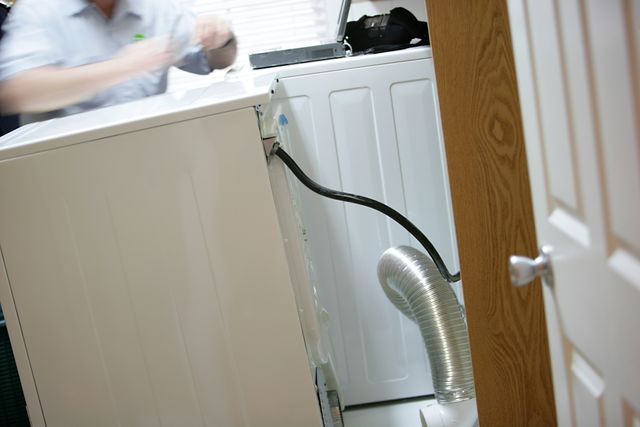
Installing a vented dryer is easier than you think with the right prep and tools. Proper installation is key to safety, efficiency, and avoiding issues like lint buildup or high energy bills. This guide covers the essentials to get your dryer with vent up and running, or leave it to experts like Gerhard's Appliances for a seamless setup.
Explore Dryers at Gerhard's
Upgrade your laundry routine with a new dryer from leading brands at Gerhard's Appliance, today!
Shop DryersWhat to Know Before You Install a Vented Dryer
The excitement of a new laundry appliance can quickly turn into frustration if the home isn't properly prepared. Before learning how to install vented dryer , take time to assess the space, gather materials, and understand what the setup requires.
Dryer Installation: Choosing the Right Spot
Choose a spot for your vented dryer with enough space, proper electrical or gas connections, and access to an exterior wall. Building codes typically suggest placing the dryer 12 inches off the ground, but obstacles like plumbing may require adjustments.
Measuring the Vent Path
Measure from the dryer’s exhaust port to the exterior wall. Keep the duct length under 35 feet, subtracting 2.5 feet for each 45-degree bend and 5 feet for each 90-degree turn. Long vents increase energy use and strain the dryer.
Exterior Vent Placement
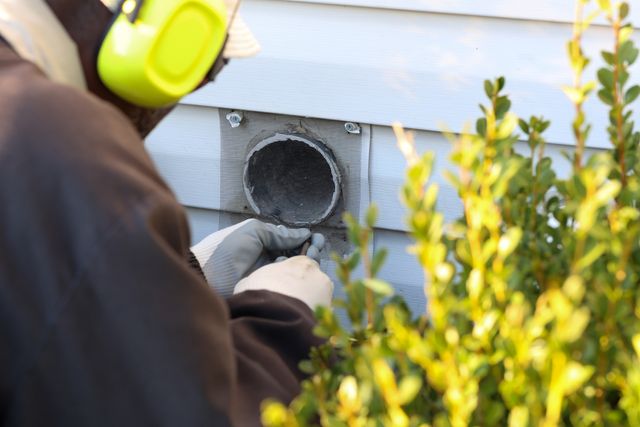
The exterior vent should be at least 12 inches above ground to avoid debris, snow, or animals blocking airflow. Keep it clear of obstructions like bushes or AC units to ensure proper ventilation.
Gathering the Right Materials
Walking into a hardware store without a list can lead to multiple trips. When you know all the basics in how to install vented dryer, you'll need the following:
- Rigid metal ductwork: Use 4-inch diameter aluminum or galvanized steel for the main run.
- Semi-rigid aluminum transition duct: A UL-2158A listed flexible connector (up to 8 feet) to link the dryer to the wall duct.
- Foil-backed tape: Use HVAC-specific tape to seal duct joints.
- Metal clamps: Secure the transition duct.
- Exterior vent hood: A louvered backdraft damper to keep out pests and weather.
- 4¼-inch hole saw: For cutting the exterior wall opening.
- Caulk and flashing: To weatherproof the exterior penetration.
- Level: Ensures the dryer is even to minimize noise.
Avoid vinyl, foil, or plastic ducting. While cheap, they are fire hazards that trap lint. The National Fire Protection Association advises against their use in any dryer with vent installation.
→ Learn more: Exploring The Pros & Cons of Ventless Dryers
Understanding Power and Gas Requirements
Electric dryers usually require a dedicated 240-volt outlet. Gas models need both a 120-volt outlet and a gas line connection. Before beginning your how to install vented dryer project, confirm that the necessary utilities are available. For gas dryers, always shut off the gas supply at the valve before working on any gas connections to prevent leaks.
Review local building codes. Some areas require permits for new vent installations or gas line work. These regulations exist to protect homeowners by ensuring installations meet safety standards.
→ Learn more: The Complete Electric Dryer vs Gas Dryer Comparison
How to Install a Vented Dryer
With materials gathered and the space prepared, it's time to dive into the actual dryer installation process. This section walks through each phase of how to install a dryer from unboxing to the first load of laundry.

Unboxing and Positioning the Dryer
Your new appliance will arrive secured with shipping bolts and protective wrap. Remove all packaging, including any tape or plastic inside the drum. Some models have internal shipping bolts that stabilize the drum during transport; these must be removed to prevent damage.
Carefully move the vented dryer into place, leaving 4 to 6 inches of space behind it for vent connections. Use an appliance dolly or furniture sliders to protect your floors.
Once the dryer is in position, use a level to ensure it sits evenly. Adjust the leveling feet at the base of the dryer until it is level from front to back and side to side. A level dryer runs more quietly and efficiently.
Connecting the Dryer Vent Hose
The transition duct connects the dryer's exhaust port to the wall's rigid ductwork, making knowing how to install dryer vent hose essential.
First, locate the 4-inch diameter exhaust port on the back of the dryer. Slide one end of the semi-rigid aluminum transition duct over this outlet, making sure the inner ribbed side follows the direction of airflow to prevent lint buildup.
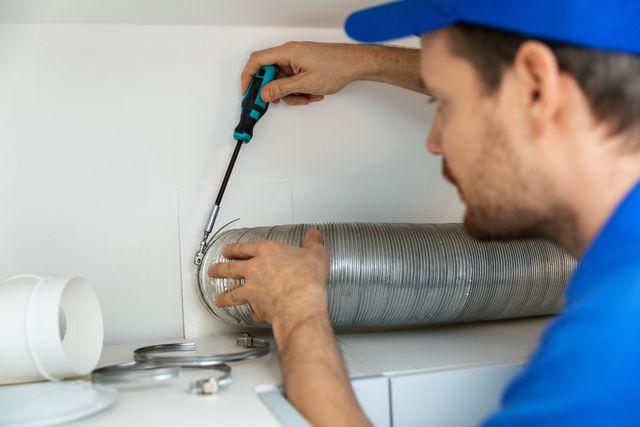
Next, secure the duct to the dryer with a metal worm-gear clamp. Place the clamp's tightening screw where it will be easy to reach for future maintenance.
Connecting to Wall Ductwork
The wall duct connection is the final step in the exhaust pathway. If you have existing rigid ductwork, inspect it for damage and lint. Clean or replace any damaged sections.
Slide the free end of the transition duct over the wall opening, ensuring the flexible duct's inner diameter follows the airflow direction. Secure this connection with a metal clamp, foil-backed tape, or both.
For new installations, run the rigid metal duct from the wall opening to the exterior using the straightest path. Support the duct every 12 feet and at all joints with metal strapping to prevent sagging.
Seal all joints in the rigid ductwork with foil-backed tape. Do not use screws that protrude into the duct, as they can catch lint and increase fire risk.
Installing the Exterior Vent
The exterior termination point is the last step in how to install vented dryer. If there’s no pre-existing hole, use a 4¼-inch hole saw to cut through the wall from the inside out. Drill a pilot hole first to ensure the exterior is clear of obstructions.
Push the rigid duct through the opening, leaving an inch exposed outside. Secure the vent hood over the opening with screws, ensuring it points downward to block rain and debris. Seal the edges with weatherproof caulk. In harsh climates, add metal flashing under the siding above the vent hood for extra water protection.
Connecting Utilities and Testing
With the vent system complete, it's time to connect the power or gas. Plug electric dryers into a 240-volt outlet. For gas dryers, connect the gas line with proper fittings and gas-rated pipe thread compound. Check for leaks by applying a soap-and-water solution to all connections; bubbles signal a gas leak that needs immediate fixing.
Next, test the dryer. Run it empty on high heat for 10 to 15 minutes to burn off manufacturing residues and check for air leaks at the vent joints. You should feel strong airflow from the exterior vent hood. Weak airflow indicates a blockage or a kinked duct that must be corrected for safety and efficiency.
Final Adjustments
After confirming proper operation, push the dryer into position, ensuring the transition duct isn’t crushed or kinked. Avoid sharp bends as they restrict airflow and trap lint.
Check that the dryer is level after placement; vibrations during testing may have shifted it. Adjust the leveling feet if needed.
Remove any debris or packaging materials to prevent fire hazards near the dryer.
Get Professional Vented Dryer Installation
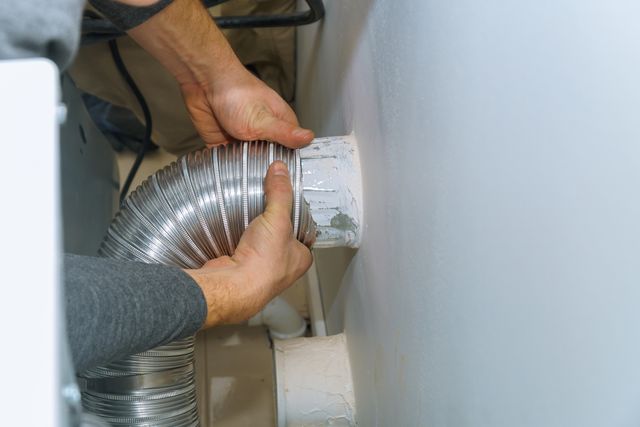
While DIY installation can save money, professional dryer installation services ensure the job meets safety standards and manufacturer requirements. This is especially true for complex projects or for homeowners tackling their first how to install a dryer with vent project.
Gerhard's Appliances offers factory-trained installation teams in the Philadelphia area who specialize in vented dryer setups. Our technicians understand different dryer models and local building codes, arriving with all necessary materials.
Professionals from Gerhard's assess the layout to find the best vent path, often spotting issues that might be missed in a DIY project. The installation, which takes about one to two hours, includes unboxing, positioning, duct installation, and utility connections. Technicians test the system for proper airflow and secure, leak-free connections.
Professional services also provide long-term value. Gerhard's technicians offer advice on maintenance and can identify potential issues with a home's electrical or gas systems. When purchasing a new dryer with vent from Gerhard's, installation services can often be bundled with the purchase.
→ Learn more: Choosing Between GE and Samsung Washers? Here's What You Need to Know
Vented Dryer Installation FAQs
To install a dryer vent, cut a 4¼-inch hole through an exterior wall. Run rigid metal ductwork from the dryer to this hole, following the shortest and straightest path possible. Secure a louvered vent hood over the exterior opening, at least 12 inches above the ground and angled downward. Seal all duct joints with foil-backed tape and support the ductwork every 12 feet.
To connect a dryer vent hose, attach a semi-rigid aluminum transition duct to the dryer's exhaust port with a metal clamp. The inner diameter of the flexible duct must face the airflow direction to prevent lint buildup. Connect the other end to the rigid wall ductwork with another clamp or foil tape. Keep the transition duct as short as possible (under 8 feet) and ensure it is UL-2158A listed for safety.
A vented dryer should be professionally cleaned yearly for most households or every six months for families doing over 10 loads weekly. Signs it's overdue include longer drying times, hotter clothes, a hot dryer exterior, or a burning smell. Clean the lint trap after each load and vacuum around the dryer monthly to prevent lint buildup.
Gerhard's Appliances in the Philadelphia area offers a wide range of vented dryer models from leading brands. Customers can compare features, capacities, and energy ratings in our showroom. Our expert sales team ensures dryers fit household needs and space. Gerhard's also coordinates delivery and professional installation, providing personalized service unmatched by big-box stores.
Why Trust Gerhard’s Appliances
Gerhard's Appliances stands as the appliance store of choice in the greater Philadelphia area, boasting an extensive array of home appliances, stunning showrooms, BBB accreditation, Price Match Guarantee, and a steadfast dedication to customer satisfaction.
With over 75 years of being family-owned and operated, Gerhard's Appliances has built a solid reputation as a reliable and trustworthy appliance retailer. Our long-standing presence in the industry demonstrates our commitment to providing excellent products and customer service. Gerhard's Appliances offers a wide range of appliances including refrigerators, dishwashers, as well as cooking, outdoor, and laundry appliances. Whether customers are looking to upgrade their kitchen with a high-performance range or simply need a reliable washing machine, Gerhard's has over 80 top-quality brands to choose from. Shop with us today!
Shop Dryers at Gerhard’s
Discover a world of premium appliances and exceptional service at Gerhard's Appliances today! Visit our showrooms in Pennsylvania to explore the latest innovations from top brands. For nearly eight decades, our family-owned business has been unwaveringly committed to delivering top-notch appliances and exceptional service. Our friendly team of appliance professionals are always on hand to help you install a vented dryer. Start your journey now by exploring our online catalog or calling our friendly team at 215-268-3779.
→ Learn more: How the Maytag Pet Pro Washer Tackles Pet Hair Like No Other