

The kitchen is the heart of the home, a place for coffee rituals and shared meals. But that peace can be shattered by an unexpected, intrusive sound. Suddenly, you're standing in front of your fridge, asking, “Why is my refrigerator making a loud noise?”

That question always seems to surface at the worst possible moment—right before guests arrive or just as you're sitting down to relax. The good news? A refrigerator making loud noise is rarely a permanent mystery. A little observation can usually translate the sound into a clear next step.
Browse Refrigerators
Need a new refrigerator? Upgrade your kitchen with a new fridge model from top brands available at Gerhard’s Appliances, today!
Shop RefrigeratorsEvery rattle, hum, and buzz is the appliance's way of communicating. Understanding this language is the first step to restoring harmony. The sound of a refrigerator making loud noise is a call to action, a chance to care for the tools that support your daily life. This guide will provide the knowledge to face the challenge with confidence.
What to Do When Your Refrigerator’s Making Loud Noises

When you first notice your kitchen is no longer a sanctuary of silence, the key is to stay calm and listen. A refrigerator making loud noise is usually a solvable puzzle, not an impending disaster. Start by pinpointing the exact timing of the sound. Does it happen only when the door is open, or maybe when the compressor starts? This simple observation is the first step toward a successful diagnosis.
Next, it's time for a physical inspection. Sometimes, the cause of a refrigerator making loud noises is as simple as a jar vibrating against another on a shelf. A quick rearrangement of the contents can often bring back the quiet. If the noise continues, check the unit's surroundings.
- Check if the refrigerator is level: An uneven stance can cause the entire cabinet to vibrate against the floor or nearby cabinetry, creating a rhythmic rattle that sounds more serious than it is.
- Pull the unit away from the wall: Before inspecting the back, unplug the refrigerator for safety. This is where you'll look for obvious issues.
- Inspect the condenser coils and fan: A thick layer of dust on the coils or a piece of debris stuck in the condenser fan are common culprits.
Taking these initial steps can often resolve the issue and shows a commitment to maintaining one of your home's most essential appliances.
7 Loud Refrigerator Noises and What They Mean

Every sound your refrigerator makes tells a story about its internal health. Understanding these specific sounds allows a homeowner to act with precision instead of panic. The goal is to recognize the pattern behind the noise.
- Persistent Hum: While a low hum is normal, a loud and constant refrigerator making loud humming noise suggests the compressor is working too hard. This is often due to dust and pet hair coating the condenser coils. Dirty coils can't dissipate heat efficiently, forcing the compressor to run longer and harder to maintain the correct temperature. This strain results in a deeper, more aggressive hum.
- Sudden Buzzing: A refrigerator making loud buzzing noise is frequently linked to the water inlet valve or the ice maker. If the ice maker is on but the water line isn't connected or the valve is clogged, the unit will buzz each time it tries to draw water. This sound indicates the solenoid valve is struggling to open against resistance.
- Rhythmic Clicking: A clicking sound that occurs every few minutes is a classic sign of a failing start relay or a compressor problem. The start relay gives the compressor the initial energy boost it needs to start. If the relay is faulty, you'll hear the compressor click as it repeatedly tries and fails to start. This cycle is a warning that the core of the cooling system is at risk.
- Grinding Sounds: A grinding noise usually points toward significant ice buildup around the evaporator fan blades, which occurs when the defrost system fails. As the fan spins, the blades hit the ice, creating a loud grinding or thumping sound. This issue requires immediate attention to prevent the fan motor from burning out.
- Thumping: A knocking or thumping sound can be caused by the compressor's internal springs. The compressor's motor and pump are suspended on these springs to dampen vibration. If a spring breaks, the internal machinery can hit the compressor's metal casing, creating a heavy "thump" when the unit shuts off.
- Roaring or Knocking from the Back: If the sound is loudest behind the refrigerator near the floor, the condenser fan motor is a prime suspect. This fan cools the condenser coils and compressor. When its bearings wear out or the blade hits debris, it can create a roaring or knocking sound. A visual check for obstructions is a good first step.
- Rattle Inside the Freezer Wall: Sometimes the issue isn't the evaporator fan itself, but the mounts or grommets holding it in place. When these wear out, they can cause a vibration-heavy rattle that seems to come from the freezer's back wall. Tightening or replacing these mounts can resolve the noise.
How to Fix a Noisy Refrigerator
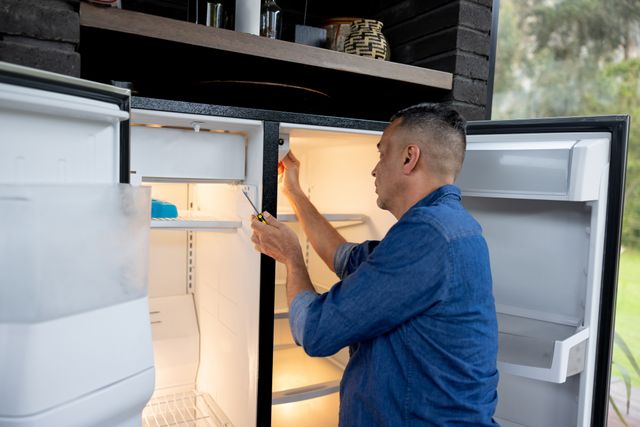
Ready to reclaim your quiet kitchen? A bit of practical maintenance and a DIY attitude can go a long way. After identifying the source of the refrigerator making loud noise, you can take several steps to fix it. Often, these issues can be resolved without calling a professional, as long as you have the right information.
Before you begin any hands-on troubleshooting, always prioritize safety. Unplug the refrigerator before removing panels or touching any components near wiring. Keep your hands clear of fan blades, and if you smell something burning or the unit trips a circuit breaker, stop immediately and call a professional for service.
Remember to approach the problem methodically. A refrigerator making loud noise might feel like a personal attack, especially during an important time, but it's just a mechanical issue. To find a solution, it's follow a clear process.
- Confirm the sound: Listen closely to pinpoint where the noise is coming from.
- Check the simple causes first: Look for issues like an unlevel refrigerator or items vibrating on top.
- Move to mechanical components: If the simple checks don't work, you can then investigate the fans, compressor, or defrost timer.
Leveling the Unit
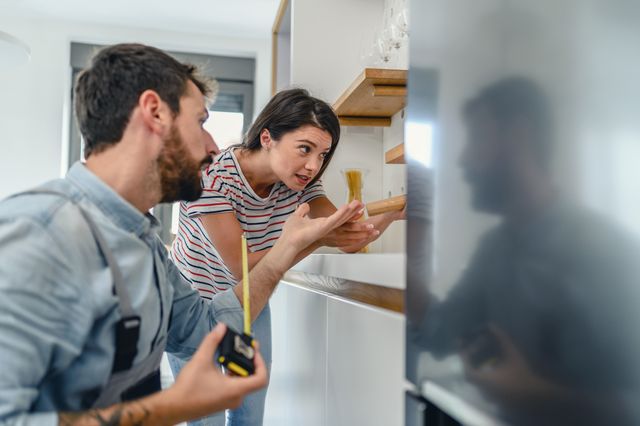
Let's start with the simplest fix: making sure the refrigerator is perfectly level. An unbalanced unit can cause the whole cabinet to vibrate, creating a surprising amount of noise.
- Most refrigerators: have adjustable legs or rollers at the bottom.
- Use a carpenter's level: to check if the unit is stable. Adjust the legs until it is.
- A slight backward tilt: is often recommended. This helps the doors close automatically and keeps internal components properly aligned.
This simple adjustment can often silence a refrigerator making loud noises caused by simple vibration.
Inspecting the Fans
If the noise sounds like it's coming from a specific fan, a visual check is in order. Refrigerators have two main fans.
- Condenser Fan: Located near the compressor, this fan can get blocked by stray papers or pet hair. Clear away any obstructions.
- Evaporator Fan: Found inside the freezer compartment, this fan can have issues with ice buildup. If you see ice, you may need to perform a manual defrost.
Also, check the fan blades for any cracks or signs that they are rubbing against something. While a drop of food-grade lubricant on the motor shaft might quiet a squeaky fan, a failing motor will need to be replaced.
Checking the Water Valve
A refrigerator making loud buzzing noise often points to an issue with the water inlet valve, which supplies water to the ice maker and dispenser.
- Make sure the water supply line: connected to the fridge is fully open and not kinked.
- If you don't use the ice maker: turn it off using the control panel. This stops the valve from trying to cycle unnecessarily.
If the buzzing continues only when water is running, the valve itself may be failing and should be replaced by a professional to avoid potential leaks.
Cleaning the Condenser Coils
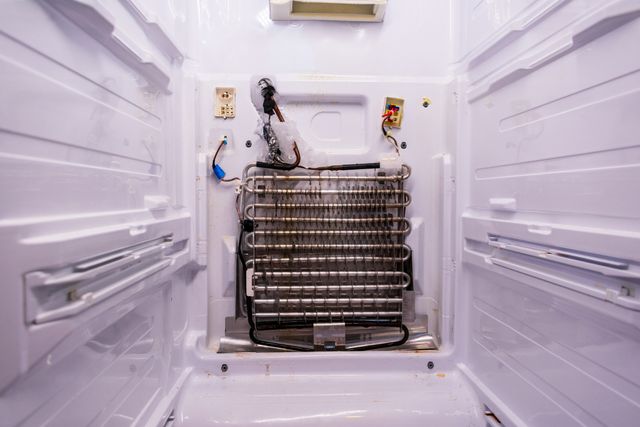
Dust and debris can build up on the condenser coils, forcing your fridge to work harder and louder to stay cool. If you're dealing with a refrigerator making loud humming noise, dirty coils are a likely culprit.
- Clean the coils: at least twice a year.
- First, unplug the unit: The coils are usually on the back or at the bottom behind a grille.
- Use a vacuum with a brush attachment: or a special coil brush to gently remove all debris.
Cleaning this insulating layer of dust helps the fridge run more efficiently and quietly.
Managing Internal Vibration
Sometimes the noise isn't from a faulty part, but from components vibrating against each other.
- Check the back of the fridge: to see if any of the copper refrigerant lines are touching each other or the cabinet wall. If they are, you can gently bend them slightly apart to stop the rattling.
- Another common source of low-level noise: is the drain pan. Make sure it is securely seated in its tracks.
➜ Learn more: Why is My Refrigerator Not Cooling?
Where to Find Refrigerator Repair & Replacements
Sometimes, a DIY fix isn't enough. Modern refrigerators are complex, and repairing a refrigerator making loud noise often requires specialized tools and training. When your troubleshooting efforts don't solve the problem, it’s time to call in a professional with a reputation for quality and integrity.
Gerhard’s Appliances has served the Greater Philadelphia region since 1945. That long history matters when your kitchen starts making strange noises. Gerhard’s is more than just a retailer; it's a factory-trained service provider. Our technicians receive specific training to diagnose the real cause of a refrigerator making loud noise, not just apply a temporary fix. This blend of long-term experience and modern training is essential for protecting your food, budget, and peace of mind.
What makes the difference when the noise won't quit?
- Factory-trained technicians: Our team is equipped for accurate diagnosis, not guesswork.
- Genuine parts and brand-specific knowledge: This is especially important for complex components like fans, defrost systems, and control boards.
- A local footprint with full support: Support is always close by, not managed by a distant call center.
Gerhard’s has 8 showroom locations across the region, making it easy to find expert help nearby.
A homeowner dealing with a refrigerator making loud noise can get help from a team that knows the area and its appliances. Gerhard's has been in the business servicing your local refrigerators for 80 years. The team can also help with replacements when a unit is beyond repair, offering guidance on quieter designs, better airflow layouts, and features that reduce vibration and fan strain.
Frequently Asked Questions about Loud Refrigerator Noises
A sudden loud noise often means a mechanical part has broken or something is blocked. A refrigerator making loud noise can happen abruptly if the evaporator fan hits ice buildup or the compressor start relay fails. High-pitched squeals or heavy thumping can indicate a distressed motor or compressor. To prevent further damage, contact a service professional for a clear diagnosis.
A failing compressor often creates a continuous refrigerator making loud humming noise. You might also hear a clicking sound before the unit shuts off, which suggests the compressor is overheating. If the fridge motor is running but not cooling, the compressor may be failing. This problem requires an expert diagnosis to decide between repair or replacement.
While some fridge noises are normal, new or loud ones are cause for concern. A refrigerator making loud noises is often less efficient, leading to higher electricity bills and a shorter appliance lifespan. Ignoring a minor rattle or buzz can result in major failure, spoiled food, and a more expensive repair. Early action keeps your kitchen running smoothly.
If the refrigerator making loud noise is paired with a burning smell, sparks, or excessive heat from the back, unplug it immediately for safety. For mechanical sounds like grinding or clicking, unplugging is only needed for a DIY inspection. If the unit is still cooling but the noise is distressing, leave it running to save the food and call professionals for a service appointment.
Why Trust Gerhard’s Appliances
Gerhard's Appliances stands as the appliance store of choice in the greater Philadelphia area, boasting an extensive array of home appliances, stunning showrooms, BBB accreditation, Price Match Guarantee, and a steadfast dedication to customer satisfaction.
With over 75 years of being family-owned and operated, Gerhard's Appliances has built a solid reputation as a reliable and trustworthy appliance retailer. Our long-standing presence in the industry demonstrates our commitment to providing excellent products and customer service. Gerhard's Appliances offers a wide range of appliances including refrigerators, dishwashers, as well as cooking, outdoor, and laundry appliances. Whether customers are looking to upgrade their kitchen with a high-performance range or simply need a reliable washing machine, Gerhard's has over 80 top-quality brands to choose from. Shop with us today!
Shop Refrigerators at Gerhard’s
Discover a world of premium appliances and exceptional service at Gerhard's Appliances today! Visit our showrooms in Pennsylvania to explore the latest innovations from top brands. For nearly eight decades, our family-owned business has been unwaveringly committed to delivering top-notch appliances and exceptional service. Our friendly team of appliance professionals are always on hand to help you replace your refrigerator. Start your journey now by exploring our online catalog or calling our friendly team at 215-268-3779.