
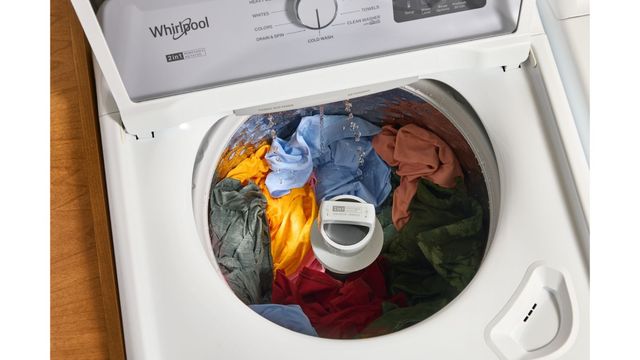
Laundry piles up fast when a heavy spin cycle suddenly grinds to a halt and leaves two gallons of soapy water sitting in the drum. Most families only ask how long do washing machines last when they hear a loud banging noise from the laundry room or spot a puddle creeping across the tile floor. Tracking your washer by its calendar age alone is a mistake because total wash cycles and daily loading habits determine when the internal bearings, suspension rods, and motor finally wear out.
Fortunately, our appliance specialists at Gerhard's Appliances have already broken down the mechanical math so you can make a smart, stress-free call for your home. Below, you will find realistic lifespan averages by washer configuration, the daily laundry habits that destroy internal parts early, a diagnostic breakdown of warning signs, the 50 percent repair-or-replace calculation, and our top long-lasting replacement washers.
Find The Best Washing Machines
Explore durable top-load and front-load washers backed by over 75 years of local Pennsylvania expertise and factory-trained service at Gerhard's Appliances.
Key Takeaways
- Cycle Count Over Calendar Years: Residential washers last 10 to 14 years on average, which equals roughly 2,500 to 4,000 total wash cycles before primary mechanical bearings and suspension systems wear out.
- Configuration Drives Longevity: Traditional top-load agitator washers average 11 to 14 years, front-load washers run 10 to 13 years, high-efficiency top-load impeller models last 8 to 12 years, and commercial-grade builds like Speed Queen reach 15 to 25 years.
- The 50 Percent Replacement Rule: When your washer is past six or seven years old and a repair quote exceeds half the price of a comparable replacement, investing in a new unit saves you from cascading part failures.
- Simple Upkeep Extends Service Life: Measuring no more than two tablespoons of high-efficiency detergent, leveling all four feet against the floor, and cleaning the drain pump filter every three months prevents early mechanical breakdowns.
How Long Do Washing Machines Last?
Understanding how long do washing machines last starts with two baseline numbers: a residential washer lasts 10 to 14 years on the calendar, which translates to 2,500 to 4,000 total wash cycles. Commercial-grade residential builds are engineered for 10,400 wash cycles, stretching their service life to 15 to 25 years in a home laundry room.
- Top-Load Agitator Washers: 11 to 14 years (3,000 to 4,000 cycles)
- Front-Load Washers: 10 to 13 years (3,000 to 4,500 cycles)
- Top-Load Impeller Washers: 8 to 12 years (2,500 to 3,500 cycles)
- Commercial-Style Washers: 15 to 25 years (up to 10,400 cycles)
Why Wash Cycles Matter More Than Calendar Years
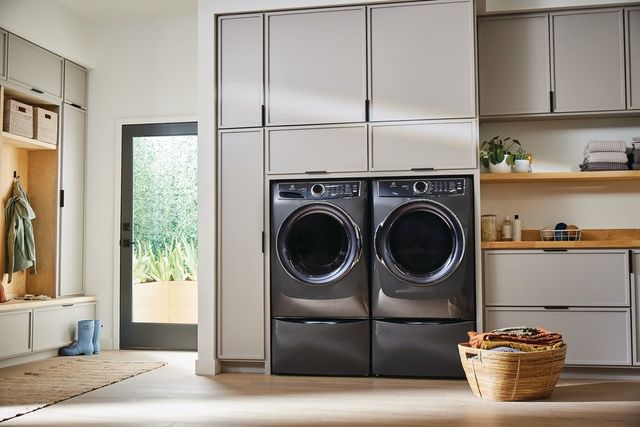
Calendar years mislead large households because every spin cycle puts finite mechanical wear on your suspension rods, belt-drive transmissions, and stainless steel wash baskets. If your family runs 10 loads a week, you hit 520 cycles a year and reach the 3,500-cycle mechanical wall in less than seven years. Conversely, if a single-person household runs three loads a week, that exact same washer only logs 156 cycles a year and can easily run for 15 years.
Once you count your weekly loads, the calendar age on your receipt makes much more sense. You can estimate your remaining service life by multiplying your weekly loads by 52 and comparing that annual total against the 3,500-cycle average for standard residential units.
How Washer Configuration Affects Structural Longevity
Answering do top load or front load washers last longer requires looking at how each design moves clothes and water. Top-load agitator models use a center post and simpler mechanical parts, helping them run 11 to 14 years with straightforward repairs. High-efficiency top-load impeller washers replace that center post with a low-profile wash plate that relies on complex shift actuators and electronic sensors, trimming their average washing machine lifespan to 8 to 12 years.
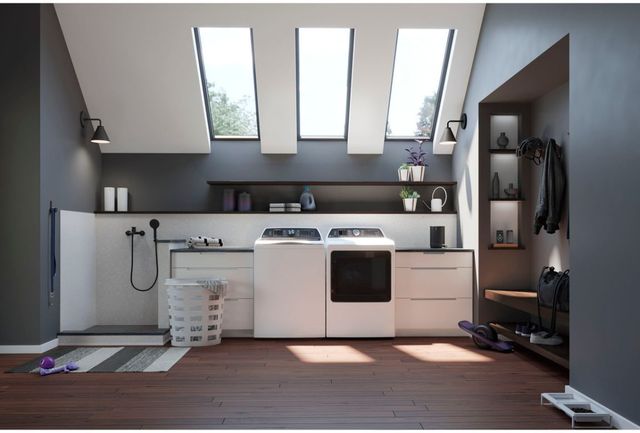
Front-load washers last 10 to 13 years and pair direct-drive inverter motors with high-speed spin cycles that extract more water to cut dryer time. Because the heavy drum hangs horizontally, all that rotational force pulls on the rear drum spider arms and outer tub bearings. Check your weekly load volume and your preferred wash action now so you match your next washer configuration to your household pace.
Washing Machine Lifespan Comparison by Configuration
Comparing how many cycles does a washing machine last across all four major configurations shows where each design excels and which mechanical part takes the brunt of the workload.
| Washer Type | Average Lifespan in Years | Estimated Total Wash Cycles | Primary Mechanical Wear Point | Average Repair Complexity | Best Household Fit |
|---|---|---|---|---|---|
| Top-Load Agitator | 11 to 14 years | 3,000 to 4,000 cycles | Suspension rods and drive belt | Low to moderate | Families washing heavily soiled clothes |
| Top-Load Impeller | 8 to 12 years | 2,500 to 3,500 cycles | Shift actuators and suspension springs | Moderate | Moderately busy homes washing bulky bedding |
| Front-Load | 10 to 13 years | 3,000 to 4,500 cycles | Rear spider arm and door boot seal | Moderate to high | Energy-conscious homes stacking laundry units |
| Commercial-Grade | 15 to 25 years | Up to 10,400 cycles | Heavy-duty belt and drain pump | Low | High-volume households running daily loads |
Daily Habits and Mechanical Factors That Shorten Washer Lifespans
Even the longest lasting washing machine brands will fail before the 10-year mark when daily laundry habits overload internal bearings or coat metal parts in chemical sludge. Knowing how long do washing machines last in your home depends heavily on avoiding the physical and chemical stressors that break components down early.
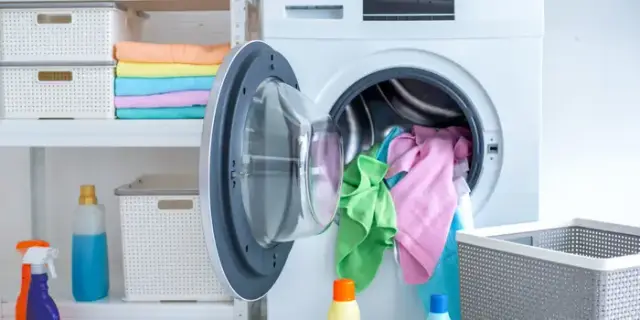
Older 1990s washers relied on heavy mechanical timers and slower 600 RPM spin speeds that tolerated rough treatment. Modern high-efficiency units use moisture-sensitive digital printed circuit boards and spin at 1,200+ RPM to pull water out of fabrics, which multiplies centrifugal force across every bearing and bracket.
- Chronic Overloading and Unbalanced Bulky Loads: Stuffing the drum full or washing a single soaked king-size comforter throws the stainless steel basket off-center during 1,200+ RPM spins, snapping suspension springs, wearing out shock absorbers, and crushing outer tub bearings.
- Excessive Liquid Detergent and Fabric Softener: Pouring past the cap line creates un-rinsed surfactant sludge that traps lint and moisture behind the wash basket, breeding dark biofilm and triggering galvanic corrosion on the cast-aluminum spider arms that hold front-load drums in place.
- Skipping High-Efficiency Detergent Rules: Using standard sudsing soap instead of formulated High-Efficiency (HE) detergent creates thick foam cushions that overheat drain pumps, confuse water-level pressure switches, and leave sticky residue inside the outer tub.
- Pennsylvania Hard Water Mineral Scaling: Untreated hard water deposits calcium and lime scale inside water inlet valves and heating elements, restricting water flow and forcing solenoid coils to burn out early.
- Moisture Around Motherboard Control Panels: Trapping hot, humid air in a tight laundry closet without ventilation lets condensation settle on digital printed circuit boards, leading to erratic error codes and dead touchpads.
If you wash heavy blankets or work gear every weekend, balance each load with a few towels so the drum weight distributes evenly before high-speed extraction starts.
Warning Signs Failed Components Are Ending Your Washer's Life
Spotting the early signs your washing machine is dying helps you separate a minor $40 wear-and-tear part from a terminal mechanical breakdown. Before deciding how long do washing machines last once noises or leaks start, match what you hear and see in the laundry room against the specific part causing the trouble.
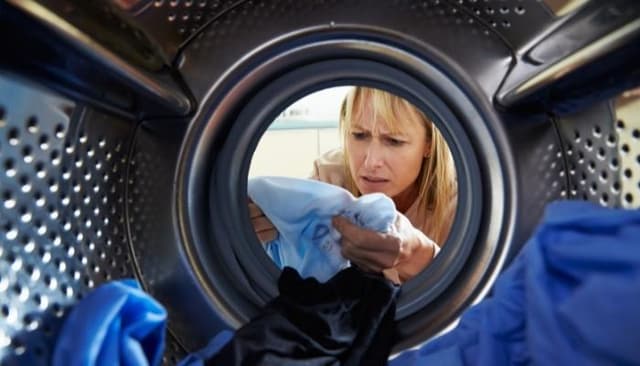
Some malfunctions look dramatic on the floor but take less than an hour to fix. A clogged drain pump coin trap, a cracked rubber fill hose, or a worn lid lock switch will stop a cycle cold without threatening the core motor or transmission.
- Engine Roaring During the Spin Cycle: A loud, rumbling roar that rises with spin speed points to front load washer bearing and seal failure, meaning water has breached the rear lip seal and rusted the steel ball bearings supporting the drum shaft.
- Persistent Puddles Under the Chassis: Water pooling beneath the cabinet signals a cracked outer plastic tub, a split internal drain hose, or a leaking pump housing that needs immediate inspection before subfloor rot sets in.
- Violent Cabinet Walking and Banging: When the steel cabinet slams against the walls during extraction, one or more suspension struts, dampers, or hanging rods have lost tension and can no longer absorb rotational vibration.
- Burning Rubber or Acrid Electrical Odors: A sharp smell of hot rubber or melting plastic indicates a slipping drive belt, a seized drain pump motor, or scorching relays on the main inverter control board.
- Clothes Finishing Sopping Wet: Laundry that comes out dripping after a completed cycle stems from a broken lid lock switch, a clogged drain pump filter, or a failing direct-drive vs belt-drive washer motor that cannot reach full extraction RPM.
Check the drain pump trap for loose coins and inspect your rear braided fill hoses first, because ruling out those minor blockages tells you right away if the main bearings or motherboard are actually at fault.
Repair vs Replace Your Broken Down Washing Machine
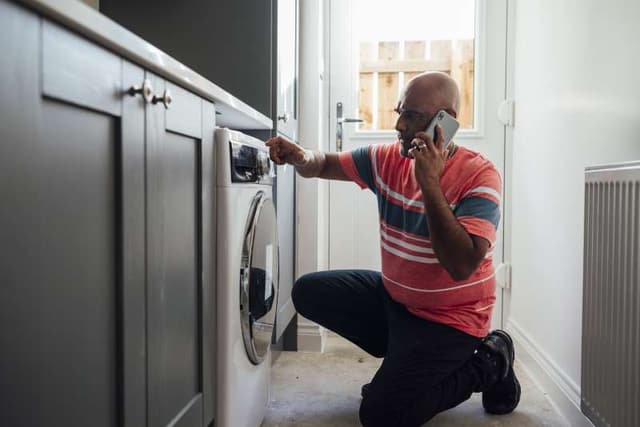
When a major part fails and you ask should I repair or replace my washing machine, apply the industry-standard 50 percent rule appliance repair technicians use every day. If your washer is past 50 percent of its expected lifespan (over six to seven years old) and the repair estimate exceeds 50 percent of the price of a comparable replacement, putting that money toward a new washer is the smarter financial move. Knowing how long do washing machines last after a mid-life overhaul keeps you from pouring hundreds of dollars into a machine nearing its cycle ceiling.
A Real-World Repair vs Replace Math Check
Consider an eight-year-old front-load washer that starts roaring like a freight train during the final spin and leaves rusty grease spots on white towels. A certified local appliance repair technician diagnoses a failed rear drum bearing and quotes $650 for the split outer tub assembly and three hours of labor, while a comparable replacement washer with an active warranty costs $950. Because the machine has already passed the seven-year halfway mark and the $650 bill exceeds the $475 half-price cutoff—plus carries the risk of cascading failures where a $300 control board dies six months later—replacing the unit saves money and lowers utility bills through updated Energy Star water and electric efficiency.
Preventative Habits That Add Years to Your Washer
Following a consistent washing machine maintenance checklist is the most reliable way to push how long do washing machines last toward the 14-to-15-year upper limit. You do not need specialized mechanical tools to protect your suspension, pump, and seals from avoidable daily wear.
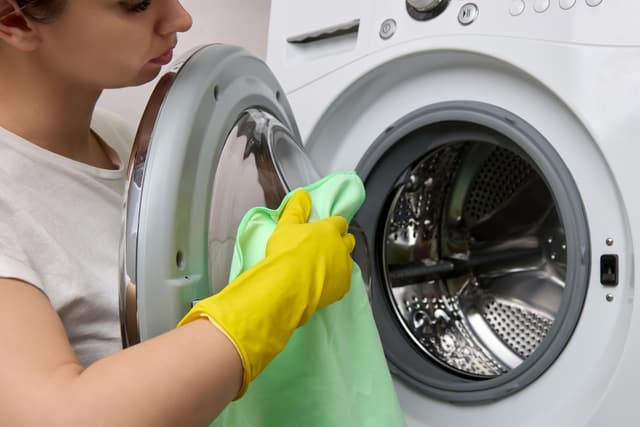
One practical step our delivery and installation pros always perform is setting a carpenter's level across the top cabinet and locking the jam nuts tight against all four adjustable leveling feet on the laundry room floor. Even a quarter-inch wobble lets the wash basket slam out of round at high RPM, which wears out suspension dampers in half their normal lifespan.
- Measure Two Tablespoons of High-Efficiency Detergent: Cap your soap dose at two tablespoons of HE liquid for large loads—and skip liquid fabric softener—to stop suds lock, pump strain, and corrosive biofilm buildup on the drum shaft.
- Swap Rubber Fill Hoses Every Five Years: Replace standard black rubber water inlet lines with braided stainless steel burst-proof hoses every five years so aging rubber never splits under household water pressure.
- Clean the Drain Pump Filter Every Three Months: Open the lower front access panel on front-load washers every 90 days to drain trapped water and clear hairpins, lint, and coins before they jam the pump impeller.
- Run a Monthly Hot Tub-Clean Cycle: Run an empty hot wash cycle once a month using a tablet or two cups of white vinegar to dissolve Pennsylvania hard water scale and detergent film inside the outer tub.
- Leave the Door and Dispenser Drawer Ajar: Prop the front-load door and soap drawer open a few inches after every final load so fresh air dries the rubber boot seal and prevents mildew odors.
Building these five habits into your laundry routine takes less than 15 minutes a month and keeps minor residue from turning into a major mechanical bill.
Best Long-Lasting Washing Machines Built for Years of Dependable Care
When your current washer crosses the repair threshold, choosing a well-built replacement with reinforced suspension and smart wash sensors sets your laundry room up for the next decade. Gerhard's Appliances stocks durable top-load and front-load washing machines from leading brands across our Pennsylvania showrooms.
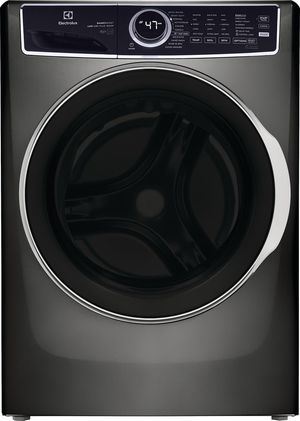
Electrolux 4.5 Cu. Ft. White Front Load Washer
Shop the Electrolux Front Load Washer
Best for: Households that want thorough stain removal and gentle fabric care without pre-treating clothes by hand.
Built as the premier front-load stain fighter in our showcase, the Electrolux 4.5 Cu. Ft. White Front Load Washer premixes water and detergent before a single drop touches your clothes so concentrated soap never degrades fabrics or builds up in one spot. Unlike the GE Profile and Whirlpool top-load models below, this front-load design uses a horizontal drum and a SmartBoost premixing chamber that powers through tough messes in cold water while reducing chemical sludge inside the tub. You will need to leave the front door ajar between washes and wipe the rubber boot seal dry to keep moisture from lingering. Families running midweek school and athletic loads also get a 15-Minute Fast Wash and an Optic Whites cycle that prevents dull yellowing over years of washing.
Top Features
- SmartBoost Premixing Technology: Blends water and detergent in a dedicated chamber before entering the drum so every fiber gets an even clean without harsh soap residue.
- LuxCare Plus Wash System: Uses temperature control and smart load sensing to adjust water levels and tumble actions for less mechanical strain.
- Pure Rinse Option: Removes leftover detergent and fragrance trace without dumping extra gallons of water into the cycle.
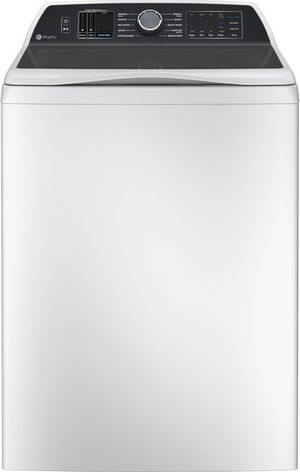
GE Profile 5.3 Cu. Ft. White Agitator Top Load Washer with Smarter Wash Technology
Shop the GE Profile Top Load Washer
Best for: Large families washing bulky bedding and heavy weekly loads who want automatic detergent dosing to prevent soap buildup.
If your household runs back-to-back loads and struggles with pouring too much soap, this high-capacity agitator washer removes the guesswork that causes internal surfactant corrosion. Holding a massive 5.3 cu. ft. drum, the GE Profile Top Load Washer with Smarter Wash Technology fits king-size comforters while using Smart Dispense to hold up to 32 loads of detergent and release the right amount based on load weight. Because the deep tub stands tall, shorter users may have to stretch to reach socks at the bottom of the stainless steel basket. Tangle Control actively adapts the agitator motion to keep long sheets and towels from twisting into heavy knots that throw the spin cycle off balance.
Top Features
- Adaptive Smart Dispense: Stores a full bottle of detergent and automatically doses soap by load weight and fabric type to prevent internal suds sludge.
- Smarter Wash Technology: Adjusts wash action, temperature, and rinse power automatically within each cycle to reduce fabric and mechanical wear.
- Microban Antimicrobial Technology: Built directly into key pump and dispenser components to help prevent odor-causing bacteria from growing in damp areas.
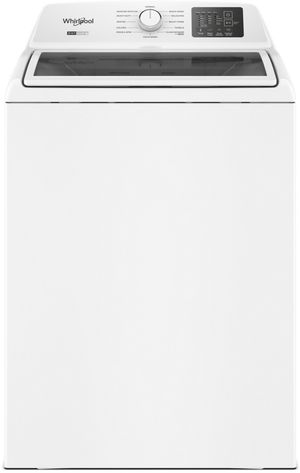
Whirlpool 4.2 Cu. Ft. White 2-in-1 Removable Agitator Top Load Washer with Soft-Close Glass Lid
Shop the Whirlpool Top Load Washer
Best for: Busy homes washing a mix of muddy sportswear and oversized blankets that need both agitator and impeller wash styles in one tub.
While the GE Profile commits to a fixed center post, the Whirlpool 2-in-1 Removable Agitator Top Load Washer with Soft-Close Glass Lid lets you unlock and lift out the center agitator post in seconds whenever you need open impeller space for bulky comforters. That convertible post settles the high-efficiency impeller vs agitator longevity debate by preventing heavy blankets from wrapping tightly around a central shaft and straining the suspension rods during spin. A built-in water faucet lets you rinse muddy knees right over the tub, and the Deep Water Wash option adds extra gallons when heavy workwear needs a full soak.
Top Features
- 2-in-1 Removable Agitator: Lets you keep the center post in for rugged everyday clothes or snap it out to wash bulky bedding without off-balance spin strain.
- Built-In Water Faucet: Gives you an instant stream of water inside the tub to scrub fresh stains or rinse sandy gear before starting the cycle.
- Smooth Spiral Stainless Steel Wash Basket: Guides fabrics gently during spin extraction to prevent snags while resisting rust and chipping over years of use.
Knowing how long do washing machines last comes down to tracking your weekly wash cycles, dosing high-efficiency detergent carefully, keeping the cabinet level, and applying the 50 percent rule when repair quotes climb. Whether you want the mechanical simplicity of a traditional agitator or the water-saving spin speed of a front-loader, matching the machine's cycle rating to your family's laundry volume prevents surprise breakdowns.
When you are ready to compare durable replacement washers or schedule a diagnostic visit in the greater Philadelphia area, visit Gerhard's Appliances at one of our interactive Pennsylvania showrooms or call our team at 215-268-3779. With over 75 years of family-owned history, over 80 top brands, BBB accreditation, a Price Match Guarantee, flexible financing, and factory-trained delivery and repair technicians, we make upgrading or servicing your laundry room effortless.
Frequently Asked Questions
A residential washing machine lasts 10 to 14 years on average under normal household laundry schedules. That calendar range equals roughly 2,500 to 4,000 total wash cycles before primary bearings, seals, or suspension parts wear out.
Traditional top-load agitator washing machines last slightly longer at 11 to 14 years compared to 10 to 13 years for front-load washers. High-efficiency top-load impeller washers have the shortest average lifespan at 8 to 12 years due to complex shift actuators and sensors.
Repairing a 10-year-old washing machine is rarely worth the money unless the issue is a minor part under $150 like a clogged drain trap or lid switch. Major repairs over $400 violate the 50 percent rule because other aging bearings and control boards often fail soon after.
Speed Queen builds the longest-lasting residential washing machines, engineered and tested to reach 10,400 wash cycles or 15 to 25 years of home use. Among mainstream residential brands, Whirlpool, GE Profile, and Electrolux deliver dependable 10-to-14-year service lives when properly maintained.
Most standard residential washing machines are rated for 2,500 to 4,000 total wash cycles over their working lifetime. Heavy-duty commercial-style home washers are built with steel transmissions and heavy suspension springs rated for up to 10,400 cycles.
Running two or three loads back-to-back on laundry day does not harm a properly leveled washing machine as long as you do not overload the drum. However, running four or more consecutive heavy loads without a 30-minute break can overheat the drain pump and drive motor.
Why Trust Gerhard’s Appliances
Gerhard's Appliances stands as the appliance store of choice in the greater Philadelphia area, boasting an extensive array of home appliances, stunning showrooms, BBB accreditation, Price Match Guarantee, and a steadfast dedication to customer satisfaction.
With over 75 years of being family-owned and operated, Gerhard's Appliances has built a solid reputation as a reliable and trustworthy appliance retailer. Our long-standing presence in the industry demonstrates our commitment to providing excellent products and customer service. Gerhard's Appliances offers a wide range of appliances including refrigerators, dishwashers, as well as cooking, outdoor, and laundry appliances. Whether customers are looking to upgrade their kitchen with a high-performance range or simply need a reliable washing machine, Gerhard's has over 80 top-quality brands to choose from. Shop with us today!
Shop Washing Machines at Gerhard’s
Discover a world of premium appliances and exceptional service at Gerhard's Appliances today! Visit our showrooms in Pennsylvania to explore the latest innovations from top brands. For nearly eight decades, our family-owned business has been unwaveringly committed to delivering top-notch appliances and exceptional service. Our friendly team of appliance professionals are always on hand to help you upgrade your home with a new washing machine. Start your journey now by exploring our online catalog or calling our friendly team at 215-268-3779.
Learn more: Washing Machine Cycles Explained By Brand